
Artificial intelligence is no longer a distant concept in the nail industry. It’s already shaping client expectations, social media content, and the way nail businesses present their work.
More and more nail techs are finding themselves in the same situation: a client arrives with a reference image that looks flawless, hyper-detailed, and almost unreal — because often, it is. AI-generated nail art images are now common on Instagram, Pinterest, and TikTok, even when they’re not labelled as such.
This has left many nail businesses asking the same questions:
How do I explain that this can’t be done exactly as shown?
How do I protect my reputation without disappointing the client?
And how do I prove my work is real in a sea of artificial perfection?
This article looks at the good and bad of AI in the nail industry, how to handle AI reference images professionally, how nail businesses can adapt their content, and why trust-based platforms are becoming increasingly important.

Where AI Can Genuinely Help Nail Businesses
When used intentionally, AI can be a helpful operational tool for nail techs and salon owners — particularly for small businesses run by one person.
Many techs already use AI to support admin-heavy tasks: drafting social captions, organising content calendars, replying to common enquiries, or refining appointment reminder messages. Used this way, AI reduces mental load and frees up time for clients and craft.
Problems arise not from these uses, but from the visual side of AI — where generated images begin to blur the line between inspiration and reality.
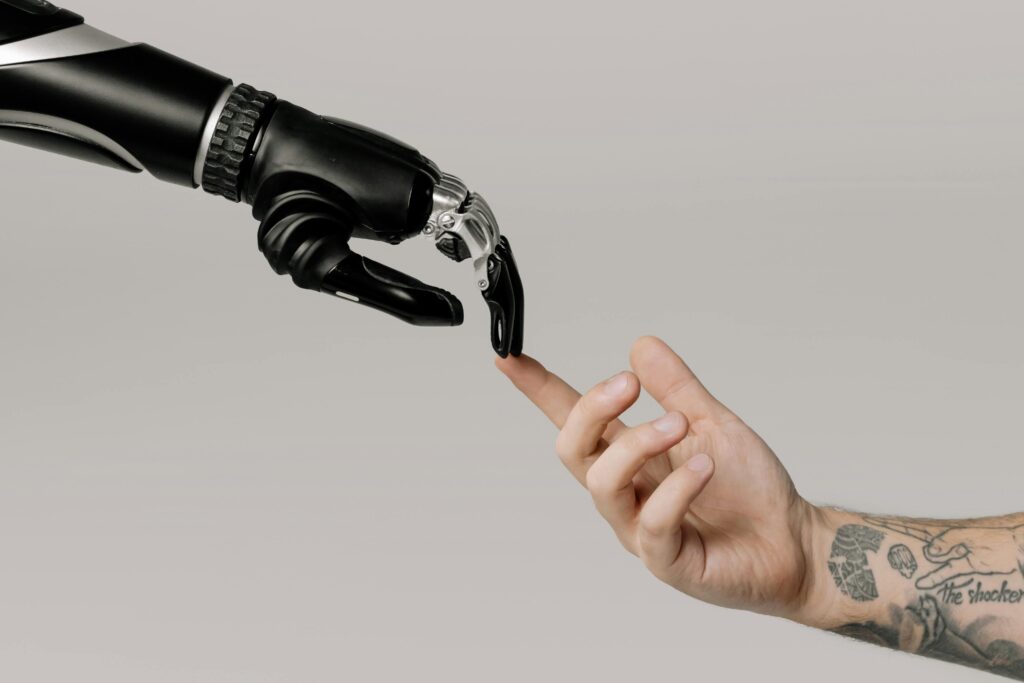
AI Nail Reference Images and Unrealistic Client Expectations
One of the most searched concerns in the industry right now is how to deal with clients bringing AI nail references.
AI-generated nail images often:
ignore natural nail anatomy
combine finishes or textures that aren’t physically possible
use lighting and reflections that can’t exist in real life
present designs that wouldn’t be wearable or durable
Clients rarely know this. Social platforms reward eye-catching visuals, not realism, and AI imagery is often shared without context or disclosure.
This leaves nail techs managing disappointment, confusion, and sometimes mistrust — even when they’ve done nothing wrong.
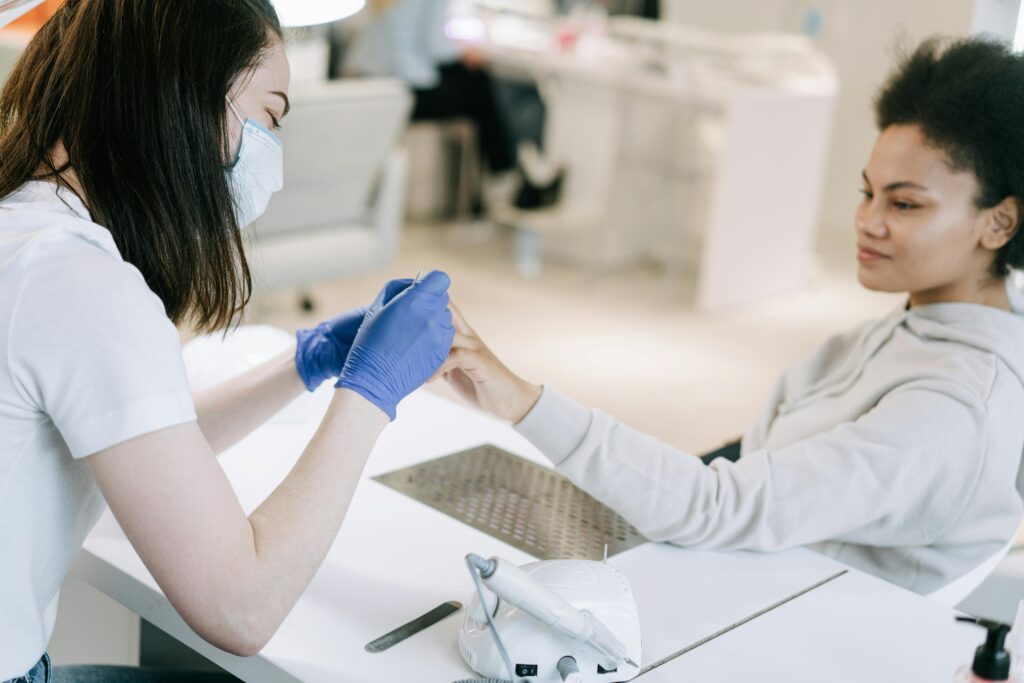
What to Say When a Client Brings an AI Nail Reference
Handling this conversation well is critical. Avoiding it can damage trust, but so can sounding dismissive.
Here are professional, client-friendly ways nail techs are addressing AI references:
“This image looks AI-generated, so some elements aren’t physically possible on a real nail. I can recreate the overall vibe and colour palette, but not an exact copy.”
“AI images are great for inspiration, but they don’t always reflect how nails behave in real life. Let’s adapt this so it works structurally and wears well.”
“I can design something inspired by this image using techniques that are proven to last and look good in real lighting.”
“Some details here are digital effects — I’ll show you how we can translate this into a realistic version.”
This approach does three things:
It educates without blaming the client
It positions the nail tech as knowledgeable and trustworthy
It shifts the focus from copying to collaboration
Proving Your Work Is Real: How Nail Businesses Can Adapt Their Content
As AI imagery becomes more common, many nail businesses are changing how they present their work — not to compete with AI, but to differentiate from it.
Increasingly effective content includes:
step-by-step reels showing the process from prep to finish
natural lighting photos taken at different angles
short wear-update clips (“day 3”, “day 10”, etc.)
close-ups of cuticle work and structure
before-and-after transformations
Process content does something AI can’t: it shows skill over time.
This type of content reassures clients that what they’re seeing is real, wearable, and achievable — not a digitally generated fantasy.
Social Media Saturation and the Return to Authenticity
While AI has accelerated visual trends, it’s also contributing to fatigue. Many clients are starting to question whether what they see online is achievable at all.
Across creative industries, there’s a noticeable shift back toward authenticity: fewer filters, more process, and greater appreciation for craftsmanship. In the nail industry, this is showing up as renewed interest in real sets, real results, and honest representation.
In a world where perfection is easy to generate, credibility becomes the differentiator.
Trust Signals Matter More Than Ever
As clients become more cautious, nail businesses are increasingly expected to prove legitimacy rather than assume it.
That’s where trust-based platforms like bestnailsalon.co.uk come in.
In an industry navigating AI imagery, algorithm pressure, and unrealistic standards, clients need spaces that reflect real-world competence. Platforms grounded in community feedback and genuine recognition help clients make informed choices — and help nail techs demonstrate skill beyond social media visuals.
Bestnailsalon.co.uk exists to keep the industry rooted in reality: valuing consistency, reputation, and craftsmanship over digital illusion.
Sustainability, Ethics, and Long-Term Impact
AI isn’t impact-free. Beyond environmental concerns linked to large-scale data processing, there’s also the human cost: burnout from chasing trends, pressure to keep up with artificial standards, and emotional fatigue from managing unrealistic expectations.
For small business owners, the question isn’t whether to use AI or not — it’s where AI genuinely supports the business and where it undermines trust, wellbeing, or sustainability.
Choosing boundaries is not resistance. It’s strategy.
Final Thoughts
AI isn’t the enemy of the nail industry. Used intentionally, it can support efficiency and creativity. But unmanaged expectations, unrealistic imagery, and blurred boundaries can erode trust — which is the foundation of any successful nail business.
The nail techs and salons that thrive long-term will be those who communicate clearly, show their work honestly, and align themselves with platforms and practices that value reality over hype.
Technology will continue to evolve.
Trust, however, still has to be earned — in real life.