
If you’ve ever searched “can I remove gel nails at home?” or “how to remove BIAB safely”, you’re not alone. At-home nail removal has become increasingly normalised, especially with social media tutorials and easy access to tools online.
But what those videos rarely show is what happens to the natural nail after removal.
Nail professionals see the consequences every day: thinning nails, peeling layers, soreness, sensitivity, and long-term damage that could have been avoided. While removing enhancements at home may seem harmless — or even sensible — improper removal is one of the most common causes of nail damage.
Here’s why gel, BIAB, acrylic, and extensions should be removed by a trained professional, and what to do if you want to protect your natural nails properly.
Nail Removal Is a Skilled Process — Not Just the Final Step
Gel polish, BIAB, acrylic, and extensions are designed to adhere strongly to the natural nail. That durability is intentional. These products are meant to last weeks, not be peeled or filed away casually.
Safe removal requires training. Nail professionals are taught how to assess nail health, understand product thickness, recognise where enhancement ends and the natural nail begins, and adapt their technique accordingly.
This is not guesswork — it’s experience. A professional can tell when to soak, when to refine, and when to stop entirely. At home, without that knowledge, it’s easy to remove more than just product.
“I Didn’t Use an E-File” Doesn’t Mean It Was Safe
One of the most common misconceptions is that nail damage only happens when electric files are involved. In reality, manual files can cause just as much harm if used incorrectly.
Over-filing with a hand file can thin the nail plate, weaken its structure, and cause damage that isn’t immediately visible. Nails may look “clean” at first, but weeks later begin to peel, split, or bend far too easily.
This delayed damage is why so many people feel their nails are “ruined” after removing enhancements themselves — even if they thought they were being careful.
The Only Enhancement That’s Safe to Remove at Home Is Regular Polish
If you’re wondering what can be safely removed at home, the answer is simple: regular nail polish.
Air-dry polish can be removed with acetone or remover without affecting the natural nail when done correctly.
Everything else — including gel polish, BIAB, builder gel, acrylic, and extensions — should ideally be removed by the professional who applied it. They know the product system used and the safest method for your nails.
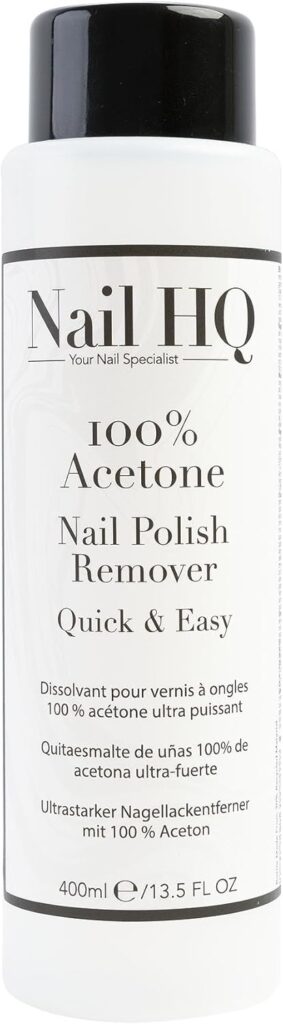
We recommend –Nail HQ Acetone -£7.99
Why Professional Removal Protects Nail Health
Professional removal isn’t just about taking product off — it’s about preserving the nail underneath.
Many nail techs include additional care during removal, such as gentle refinement, hydration, and strengthening treatments. Some also offer IBX treatments after removal, which can help support the nail’s keratin structure and assist recovery after long-term wear.
These steps are often skipped entirely during at-home removal, leaving nails dry, unsupported, and vulnerable.
After Removal, Nails Need Care — Not Neglect
Once enhancements are removed, the natural nail is suddenly unsupported. This is when nails are most at risk of breakage and peeling.
After professional removal, aftercare matters. Nails benefit from daily cuticle oil, regular hand cream, gentle filing to maintain shape, and avoiding picking or peeling. Strength doesn’t return instantly — consistency is key.
This is also where simple, nourishing products make a real difference. Jojoba-based cuticle oils, good hand creams, and gentle nail files support recovery far better than harsh treatments or aggressive buffing.
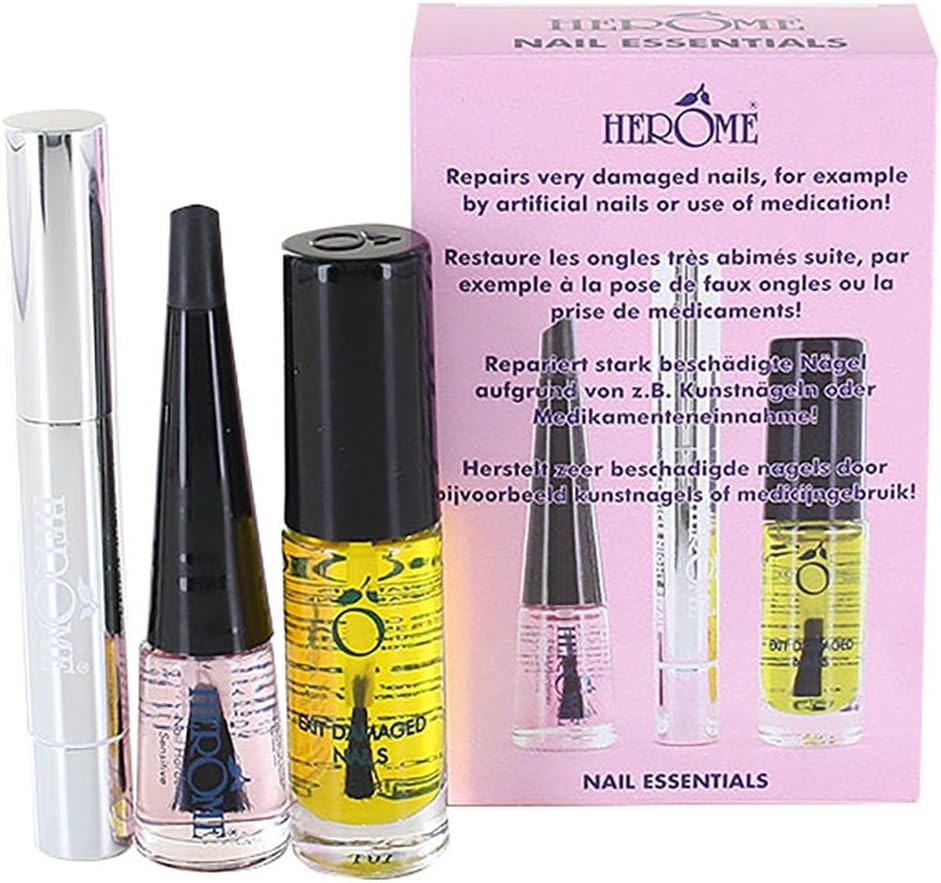
We Recommend- Herome Nail Recovery Set– £17
Why “Giving Nails a Break” Often Causes More Damage
Many people remove enhancements because they believe their nails need a break. Ironically, it’s often the removal process itself — not the enhancement — that causes the damage.
Healthy nails come from correct application, safe removal, and proper aftercare. When enhancements are applied and removed professionally, nails can remain strong and healthy long-term.
Damage usually happens when shortcuts are taken.
Trusting a Professional Matters
Nail services aren’t just cosmetic — they’re about nail health. Just as you wouldn’t remove dental work yourself, nail enhancements deserve professional care.
The person who applied your nails understands the system used, the safest way to remove it, and how to minimise stress on the natural nail. A good nail technician will always be happy to explain their removal process and recommend aftercare.
To find the most recommended best nail salon, use our search in your local area.
Final Thoughts
Removing gel, BIAB, or acrylic nails at home may seem harmless, but it’s one of the most common causes of nail damage. If you want strong, healthy nails, professional removal and proper aftercare make all the difference.
Protecting your nails isn’t about restriction — it’s about informed care. Your nails may not show damage immediately, but they always remember how they were treated.